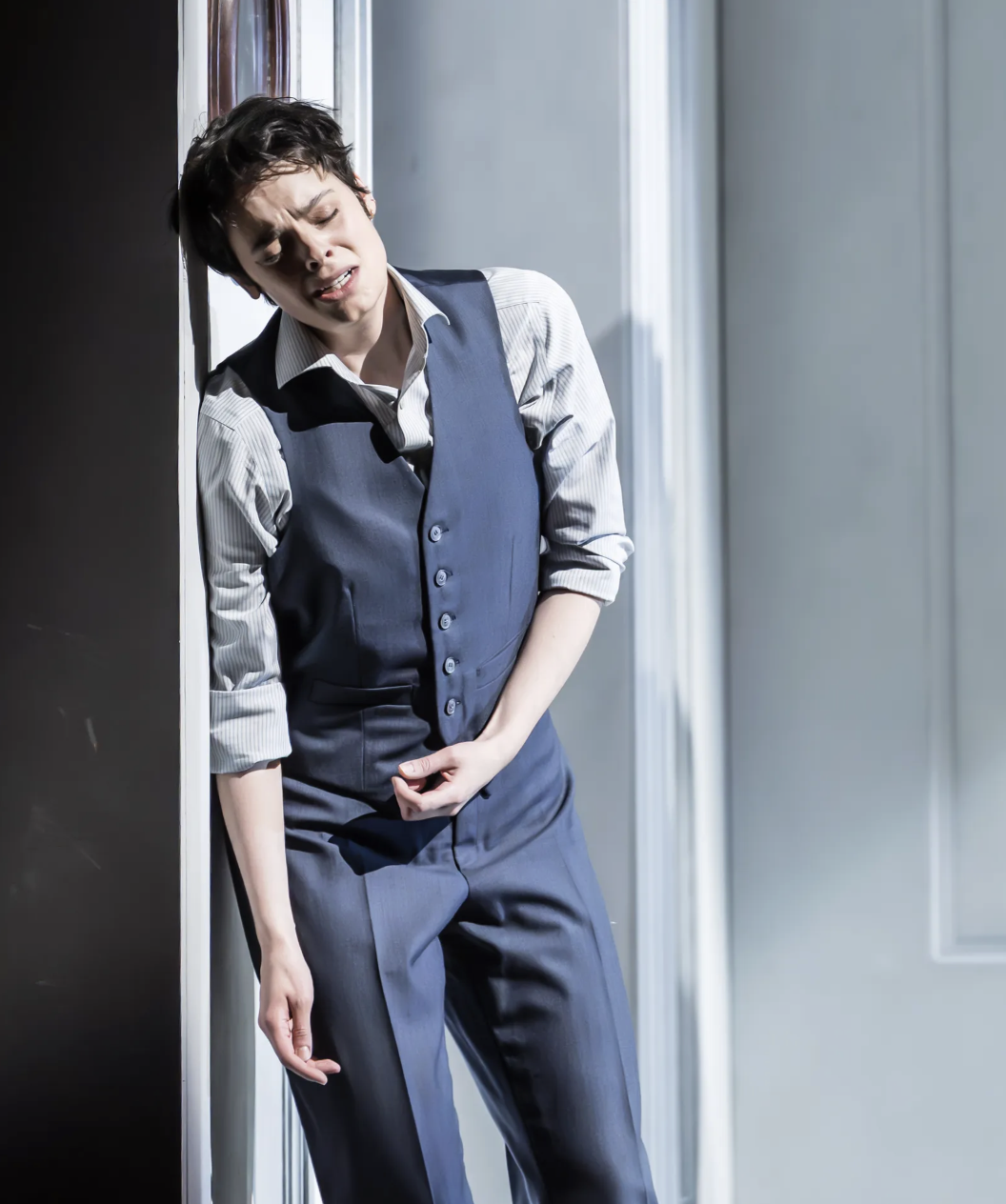
Two weeks later, and I am still awe-struck by The Royal Opera’s recent performance of ARIODANTE, directed by Jetske Mijnssen and conducted by Stefano Montanari at Covent Garden. Händel has never seemed so short - I truly wished it would keep going. An enthralling; devastatingly beautiful performance. The production demonstrated what opera can be when virtuosity becomes a vessel, rather than a display.
An inspiring, rare fusion of musical, physical, and emotional integrity - unexpectedly great: this was no museum-piece Handel embalmed in affectation, prescribed style and technical reverence. Although the vocal, musical, and technical skill on display was astonishing, the production was what opera should always be - a living act of communication, in which every character, every phrase, spoke of an urgent need to reach beyond the source material and into the heart of each person in the auditorium.
Emily d’Angelo’s exceptional and fearless physicality created a ‘real’ Ariodante, torn between strength and vulnerability; vocal lines were played and stretched to sound less like ornament and more like thought made audible. Around her, the other characters were cleverly moved with collective intentionality - every silence weighted, every glance deliberate.
The orchestra of the Royal Opera House gave Händel’s score a driving elasticity and jolting emotional pulse. Händel can often seem long and repetitive from the audience chair, but not this one. Not a single note, phrase or gesture was performed merely “for show.” The audience collectively held their breath numerous times.
This synergy - of sound, movement, and psychology - countered a persistent anxiety I’ve been carrying: that singers today believe their careers depend on perfect reproduction of the vocal material, or, of how the repertoire has “traditionally” been done.
I’ve observed too, that emerging singers in particular, often believe their purpose lies in perfection according to the score, or an academic matrix, when their real work is the discovery of their own insistent artistic voice. A voice that comes out of meaning itself - the overwhelming necessity to communicate what lies within, around and behind the music. The need to articulate what deeply matters to a human being, a stranger, for the artist’s own survival renders technique alone underwhelming. In our Australian operatic culture, sticking within limits is encouraged, and often rewarded. Administrations, naturally, prizing safety over artistic risk, send a message to performers - in stage and in the pit - that they should do the same.
This ARIODANTE made the case that collectively going out on a limb makes opera work. Its emotional charge came from a shared sense among performers and orchestra that meaning, not the mechanics, must lead. That conviction, combined with skill, discipline, and beauty, meant the drama danced and pulsed with modern relevance. Love, honour, desire, and self-knowledge emerged not as indulgent abstractions, but as lived, urgent conflicts.
ARIODANTE reminded me of the deeper purpose behind technique. Although standards must be met and proficiency constantly sought, perfection, in the mind of an artist, is inert. Meaning moves. This for me was opera at its best.
Sound, body, and imagination acting together - transcending its own grandeur and becoming what it was always meant to be: an art of human insistence and urgency.
“Feel what I feel”, these artists seemed to say. “Know what I know - and be changed.”
It was extraordinary. I felt the way I hope people feel when they come to one of ACOCO’s shows. Blessed to have been there.