Defining Australia's Unique Operatic Voice
Is presenting opera as it was intended by old, deceased composers merely indulging in nostalgia?
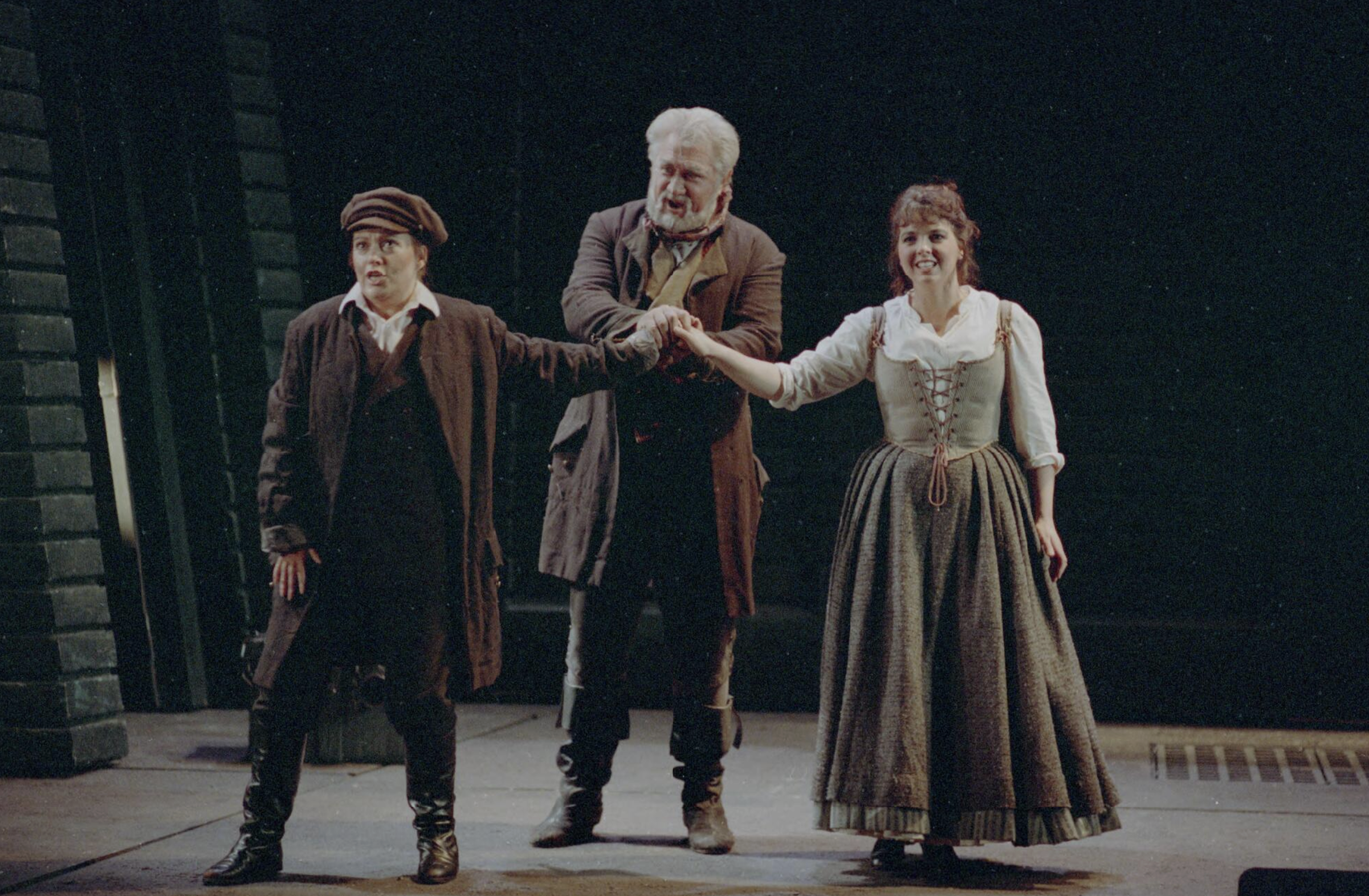
In the realm of the contemporary, where presentation, creation, imagination and ideas converge, there is a vitality that thrives and grows through discomfort. Opera is a life-force that propels us into uncharted territories. While acknowledging the importance of the foundations upon which skilful singing, playing and musicianship are built, we must also recognise that these foundations have to be brought into the present moment if they are to resonate with people around us - and importantly, help make opera more sustainable.
It is essential to honour the achievements of past generations, but attempting to emulate their successes or replicate their paths is surely a futile endeavour. The context in which they thrived has long since changed. Even over the past ten to fifteen years, the international landscape for operatic work and artists’ opportunities has changed dramatically.
It may be considered an unpopular perspective, but the quest to find "another Melba or Sutherland" in Australia might be symptomatic of our cultural cringe - a belief that we are unworthy unless we emulate the successes and expectations of the past. In addition, the funding structures that exist to fund this past ‘ideal’ tend to favour the traditional and unadventurous.
Since the early 1930s, arts leaders - including the National Theatre's Gertrude Johnson OBE - have bemoaned the exodus of talent to the UK and Europe, believing the expertise for artistic development was right here in Australia, and that audiences robbed of local talent were deprived of developing meaningful connections to Australia's artists and the art form. Other disciplines - including science - bemoan same: overseas exodus of the über-talented.
Perhaps we could stop stockpiling money in multimillion dollar trusts that use income from investments to focus on individual success. That investment is ultimately pointless if it sucks investment out of the onstage, impactful portion of the sector - and there are fewer and fewer jobs. Underlying ACOCO’s constant evolving programs is the fervent belief that Australian artists, irrespective of age and situation, should be able to support themselves and build a life here. Taking money off-stage to support individuals sees the best early and mid-career talent moving overseas to find work - or worse, give up.
Opera in America and Europe is evolving, becoming increasingly irreverent, culturally attuned, respectful of diversity and accessibility. In the UK, their world-revered institutions are facing life-changing funding cuts and identity crises - poor leadership choices over decades have left companies like ENO without a niche to claim. Consequent artists difficulties - undeniably impacted by Brexit - in sustaining careers is resulting in an artistic exodus - not only by British singers, but by the international cohort as well. We need to be funded in Australia to creatively explore ways to employ Australian artists to collaborate and engage at grass-roots - the focus on repertoire of the 'old masters' to find an international spotlight does not effectively develop emerging and established talent for serving the public, particularly in our part of the world. The ‘invisible impact’ of excellent, inspiring public performance has been lost in the discourse.
In light of the challenging and changing landscape of our times, we must ask:
How can we capture the essence of Australian culture and spirit in our new operas?
Where is the audaciousness, the vibrancy, and, perhaps most crucially, the genuine connection with the audience of Australia today?
Who is responsible for providing for Australian principal artists the framework to forge a sustainable careers based in their home country, if not our tax-payer funded companies?
If we persist in gazing across the centuries, and across the seas, repetitively executing the same paths and routines, we risk stifling the potential for opera to be part of an authentic expression of Australia's identity. The future of Australian opera lies not in mimicry of old masters, but in embracing the present, exploring new frontiers, and forging a path that resonates with the hearts and minds of contemporary audiences - through imaginatively (expertly?) working with our talented and skilled artists. The artists we are training, rewarding and investing in do not have to sing or compose like Puccini, or Verdi or even Mozart to make a valid work of operatic art. Opera is so much more than the old masters. The model of trying to make new talent fit the old mould is well and truly broken.